Psychotherapy Near Upper Saddle River, NJ
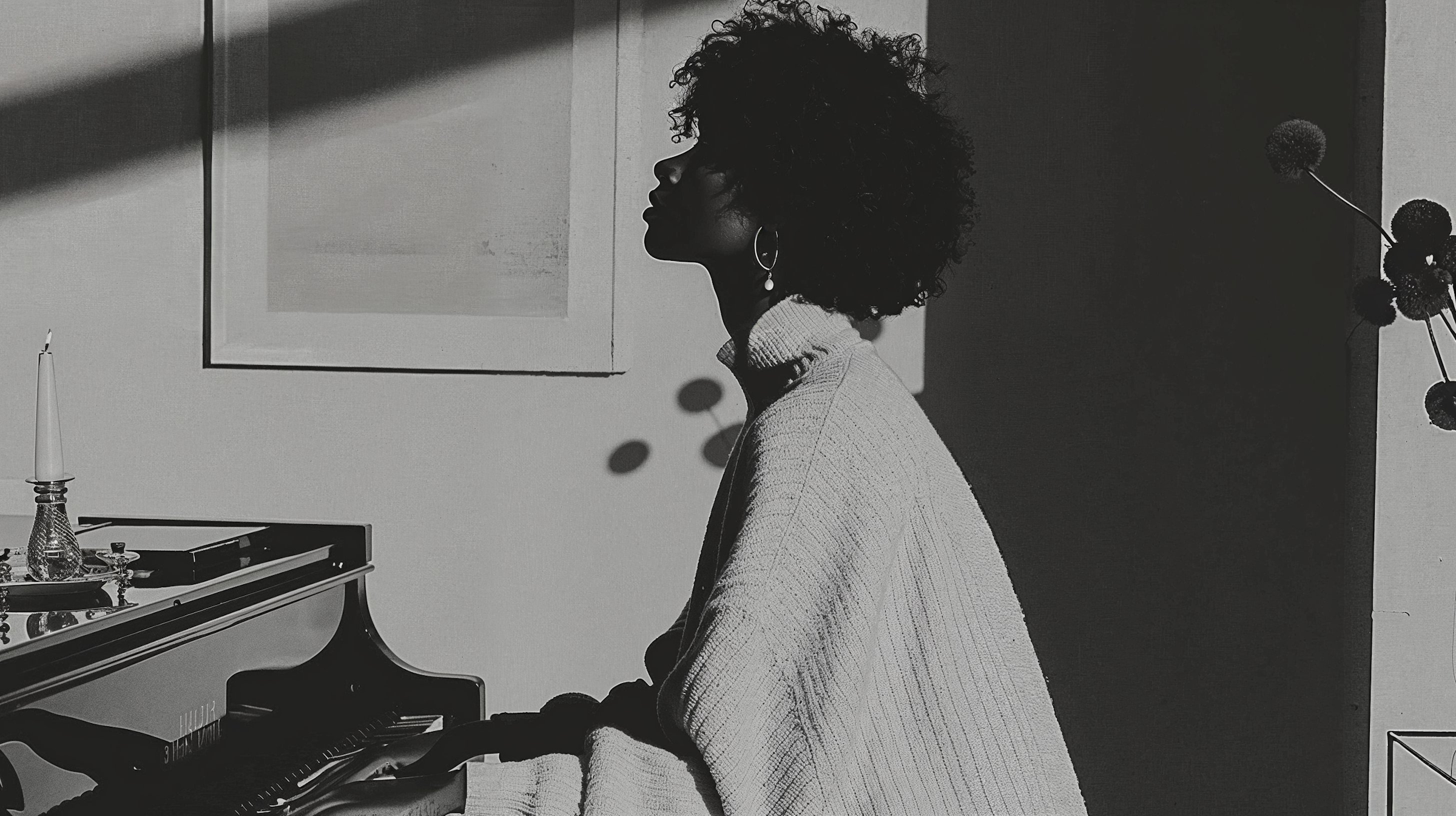
I provide psychotherapy for individuals in Upper Saddle River who want to better understand the internal experiences that shape their emotional lives. Many people notice patterns in how they think, feel, or relate to others but are not entirely sure where those patterns come from or why they continue. Therapy creates a space to slow down and make those patterns more visible.
As this awareness develops, it becomes possible to respond in new ways rather than feeling pulled into the same reactions. This process supports change that is more meaningful and lasting, rather than temporary or surface-level.
What to Expect
Therapy is a gradual and thoughtful process. It begins with understanding your current concerns and expands into a broader exploration of emotional patterns over time. Rather than focusing only on immediate issues, we work to understand how different parts of your experience are connected.
Sessions often include:
Reflection on thoughts and feelings
Identification of recurring themes
Exploration of relational dynamics
Consideration of past influences
As the work develops, many people begin to notice shifts in how they respond to situations, relate to others, and understand themselves.
Approach to Care
I take an integrative and insight-oriented approach to psychotherapy. This means the focus is on understanding rather than simply managing symptoms. Techniques may be used when helpful, but the primary goal is to explore the underlying patterns that contribute to what you are experiencing.
This approach allows for a deeper level of clarity. As those patterns become clearer, it becomes easier to make decisions and respond to situations in a way that feels more intentional and aligned.
Reasons for Therapy
People in Upper Saddle River often seek therapy for a range of concerns, some clearly defined and others more difficult to describe. In many cases, there is a sense that something is not working, even if it is not immediately obvious why.
Common reasons include:
Persistent stress or pressure
Anxiety or ongoing worry
Depression or low motivation
Relationship challenges
Life transitions or uncertainty
Therapy provides a consistent space to explore these experiences and better understand how they develop over time.
Frequently Asked Questions About Psychotherapy
What is the focus of psychotherapy?
The focus of psychotherapy is to better understand emotional and behavioral patterns, especially the ones that tend to repeat. This includes looking at how your thoughts, emotions, and relationships interact, and how those patterns may have developed over time.
How does therapy create change?
Change in therapy often comes through increased awareness. As you begin to understand your patterns more clearly, you have more flexibility in how you respond. This allows for more intentional choices rather than automatic reactions.
Is therapy useful for long-term concerns?
Yes. Therapy is especially helpful for concerns that have been present for a long time or that tend to repeat. Understanding the structure of those experiences can make it possible to approach them differently.
What if I feel unsure about starting therapy?
That uncertainty is very common. Many people begin therapy without being fully sure of what they want to focus on. The process allows space to explore that uncertainty and gradually develop clarity.
Does therapy involve advice or direction?
Therapy is less about giving direct advice and more about helping you develop your own understanding. This tends to lead to changes that feel more meaningful and sustainable over time.
Can therapy help if I tend to overthink or analyze everything?
Yes. Therapy can help you better understand the patterns behind overthinking and how those patterns affect your emotional experience. From there, we can work toward developing a different relationship with those thoughts.
How do I know if therapy is working?
Progress is often gradual. You may notice changes such as responding differently to stress, feeling less reactive in certain situations, or having a clearer understanding of your decisions and relationships.
Psychotherapy Services for Residents of Upper Saddle River
Upper Saddle River is a quiet Bergen County borough known for its residential neighborhoods, access to the Saddle River County Park trail system, and proximity to Route 17 and the New York state line. With a largely suburban setting and many residents commuting to nearby business hubs, daily life often involves balancing work demands, family responsibilities, and structured routines.
I work with Upper Saddle River residents both in person at our office and through secure online sessions. This allows you to access consistent psychotherapy support in a way that fits your schedule, whether you prefer face-to-face care or the convenience of virtual therapy.
Contact Us For Help With Psychotherapy
Psychotherapy in Upper Saddle River offers a thoughtful and structured path toward greater self-understanding. If you are ready to begin, reaching out is the first step toward starting that process.